

Parking Lot Asphalt Maintenance in Lincolnton and Hickory
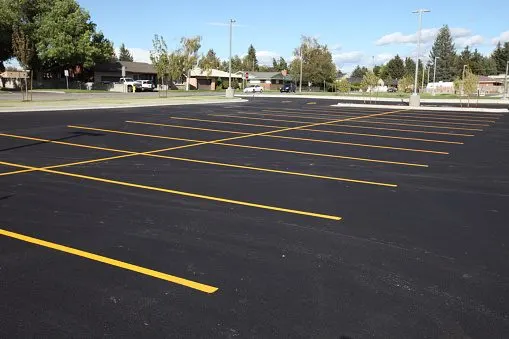
Good asphalt maintenance in Lincolnton, NC starts with walking the lot, writing down what you see, and matching each problem to the right fix: crack repair, sealcoating, fresh striping, or new paving. Routine upkeep works when the surface underneath is still sound. When damage is widespread, routine upkeep may not address the underlying problems. Routine asphalt parking lot maintenance generally addresses the first group, while more extensive damage may call for paving.
What to check across the parking lot
Walk the whole lot on a dry day, then walk it again after a rain. Dry days show you cracks and wear. Wet days show you where water stands, and standing water can contribute to asphalt deterioration over time.
- Cracks: Note whether they are thin and isolated or linked together in a web pattern. A web pattern is often called alligator cracking and usually points to a weak base (the stone layer under the asphalt).
- Worn coating: Gray, rough asphalt and loose stone at the surface can be signs of surface deterioration.
- Faded lines: Check parking stalls, arrows, fire lanes and accessible spaces. If you have to guess where a line was, it is time to restripe.
- Low spots: Look for puddles that are still there hours after rain, or dark stains where water sits and dries.
Pay extra attention to entrances, drive lanes and any spot where trucks turn or cars brake hard. Those sections can experience substantial stress and may show wear first. Write down whether each problem is isolated or spread across driving and parking areas, because that detail can help guide what comes next.
Match upkeep to the condition of the asphalt
Not every worn lot needs the same fix. The table below shows common responses to different pavement conditions.
| What you see | Usual response |
|---|---|
| Thin, scattered cracks with a firm surface | Crack sealing, then protective coating |
| Gray, dry, lightly worn surface that is still solid | Asphalt sealcoating |
| Sound surface with faded markings | Fresh parking lot striping |
| Connected cracking, soft spots or sunken areas | Patching or base repair in the affected sections |
| Damage across most of the driving area | Asphalt parking lot paving |
Sealcoating is a thin protective layer applied over the surface. It can slow wear from sun, water and fuel drips, but it does not fix structural problems. Putting it over a failing surface may temporarily conceal damage without addressing its cause.
Striping can be a straightforward improvement. Clear lines make spaces and traffic paths easier to read, and they are worth redoing after any repair or coating work so the lot looks and works the way it should.
Plan around North Carolina weather
North Carolina winters often bring a mix of rain, occasional snow and nights that dip below freezing, followed by milder afternoons. Water gets into cracks, freezes, expands, then thaws and leaves the crack wider. That freeze-thaw cycle is why small cracks seen in October can be bigger problems by February.
If your lot sees that freeze-thaw pattern, it can affect pavement condition anywhere from Hickory to Newton. Cooler, damp weather in November and December can shrink the window for paving and sealcoating, since those materials need dry conditions and warmer air to set up properly. Not every treatment is suitable for colder weather. Some work, such as certain repairs or striping, may fit the available conditions while other work is better held for spring.
That is why a fall walk matters. If you find problems in October, you may have more room to schedule. If you find them in December, ask the crew what can be finished properly in the weather you have and what should wait.
Questions to ask the crew
- Which items on my list can be done in the conditions we have, and which should wait?
- Will a crack left open over winter get worse before spring?
- Should we repair first and coat later, or is the surface past that point?
Set a workable maintenance plan
A plan does not need to be complicated. Keep a written list of problems, with a rough note on where each one is. Record where water collects after rain, since drainage trouble changes the repair approach.
- Walk the lot in fall and again after winter. Note cracks, wear, faded lines and low spots.
- Sort problems into routine and structural. Routine items are crack filling, coating and striping. Structural items are soft areas, deep ruts and widespread cracking.
- Group work by area. Doing one section at a time may help keep entrances open and accommodate business hours.
- Share your list with a contractor and get a recommendation for each area before you decide on the full scope.
Parking lots can have very different traffic, from a small office with a few spaces to a retail strip with steady turning and braking. The schedule that fits one may not fit the other, so start from what your own lot shows you, whether it sits in Lincolnton, Conover or another town. We also serve Statesville and Morganton, where the same general advice applies: look first, then decide.
If you want to talk through your list, we offer a Free Estimate. Bring your list to discuss whether the problem areas may need upkeep or paving.
Common questions
Can you sealcoat a parking lot in winter?
It depends on the weather. Sealcoating needs dry conditions and mild air to cure, so cold or damp days in November and December can rule it out. Ask your contractor whether the forecast allows it or whether it should wait for spring.
How do I know if my parking lot needs paving instead of maintenance?
Connected cracking, soft or sunken spots and damage across most of the driving area usually point to paving. Isolated cracks on a firm surface are normally handled with repairs and coating.
When should I restripe a parking lot?
Restripe when lines are hard to see, and plan it after any crack repair or sealcoating so the fresh markings are not covered or worn right away.
Areas we serve
Our services
Have a question about your project? Call (980) 360-2995